
Minecraft Dungeons II Beginner’s Guide – 18 Essential Tips
Starting Minecraft Dungeons II? These beginner tips cover exploration, Enchantment Books, Echo Shards, fast travel, the Sift and four-player co-op.
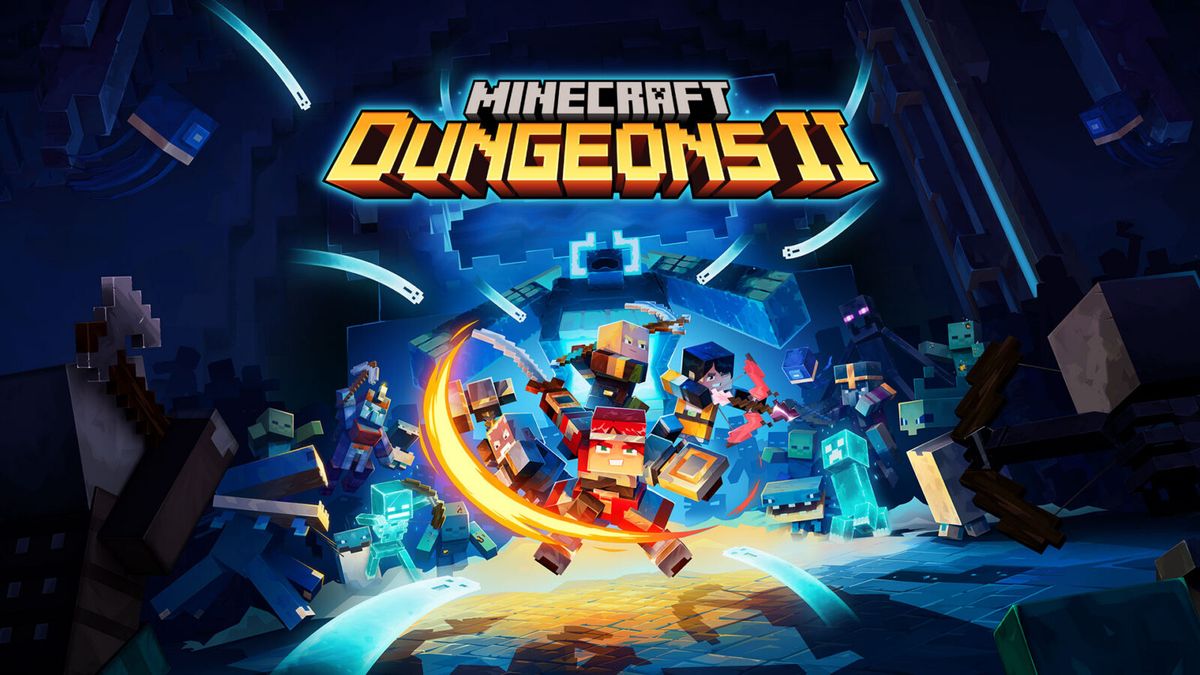
Minecraft Dungeons II expands the original game's approachable action-RPG structure into a much larger interconnected world. You can explore connected regions, discover side activities, revisit major encounters, improve equipment and travel between the Overworld and the new Sift dimension.
That extra freedom makes the sequel more rewarding, but it also means there is more to understand during your first few hours. These tips focus on exploration, progression, equipment and co-op without spoiling the story.
1. You can start here without playing the first game
New players do not need to finish the original Minecraft Dungeons first.
Returning players will recognise the basic structure, but the sequel has a new story, new regions and deeper progression systems. Learn the sequel on its own terms instead of worrying about catching up first.
2. Explore away from the obvious route
The biggest structural change is the interconnected world.
Regions such as the Howling Woods, Frozen Highlands and Rainy Plains connect more naturally than the isolated missions of the first game.
Detours can lead to side quests, optional dungeons, loot chests, travel points and useful resources.
If the map appears to offer another path, it is usually worth investigating.
3. Use the Guidance Trail when you lose your bearings
A larger map can make navigation more complicated.
Click the left thumbstick to use the Guidance Trail, which temporarily points towards your active quest.
It works best as a way to recover your direction after exploring rather than something you follow constantly.
4. Pay attention to Respawn Shrines
Respawn Shrines appear near important locations such as dungeon entrances and Boss Totems.
They act as useful return points when you need to get back towards an area quickly.
Remembering where you passed them can save a substantial amount of travel time later.
5. Unlock fast travel early
Minecart Stations and Teleport Statues become increasingly useful as the map expands.
Whenever you reach a new region, take a moment to understand its nearby travel options.
That small habit makes later side quests and return visits much easier.
6. Major encounters can be worth revisiting
Some important encounters can be repeated through Boss Totems.
That means completing one does not necessarily make the location irrelevant.
Returning later can be useful when you want another chance at rewards or simply want to test a new setup.
7. Optional Rifts and Dungeons matter
Rifts and Dungeons are not just distractions from the main route.
They are designed to offer useful rewards and concentrated progression opportunities.
If your equipment is starting to feel behind the curve, optional content can be a better answer than rushing ahead.
8. Learn what Enchantment Books actually change
Enchantment Books are one of the sequel's most important progression systems.
They can add distinctive effects to equipment, including extra mobility, support effects and other build-changing abilities.
Read what each book does before deciding whether it fits your play style. A useful effect can matter more than simply chasing the highest number.
9. Spend Echo Shards with a purpose
Echo Shards can improve merchants, blacksmiths and equipment.
Beginners should avoid spending them automatically just because an upgrade is available.
Ask what is currently limiting your progress and put resources into something that solves a real problem.
10. Experiment with equipment
The early game is the best time to try different combinations.
Test different gear, movement options and enchantments before deciding on a favourite setup.
You will learn much more by experimenting than by immediately copying a build from somewhere else.
11. The Sift is meant to feel different
The Sift is a new dimension with its own regions and environmental behaviour.
Areas such as the Meadows and Carapace can behave differently from the Overworld, so do not assume every habit transfers perfectly.
Take time to observe how each new area works before racing through it.
12. Co-op groups benefit from variety
Minecraft Dungeons II supports up to four players through online or couch co-op.
You do not need strict roles, but groups usually benefit when players choose different strengths rather than identical setups.
A little variety in movement, support and equipment can make a team more flexible.
13. Side quests are part of normal progression
Do not wait until the main route becomes difficult before touching side content.
Side quests, optional dungeons and repeatable activities are part of the intended progression loop.
Completing them naturally as you discover them is often better than saving everything for later.
14. Revisit earlier regions
The interconnected structure gives you reasons to return to places you have already seen.
Fast travel, side quests, repeatable activities and equipment progression all make older regions useful again.
If you notice an unexplored branch or activity, make a mental note and revisit it later.
15. Use the map to combine objectives
When several activities are available, look at where they sit relative to one another.
You can often complete multiple objectives in the same region before travelling elsewhere.
That makes exploration more efficient and reduces unnecessary backtracking.
16. Do not judge equipment by one number
A higher number is useful, but it is not the only thing that matters.
An item that fits your enchantments, movement style or co-op group may remain more useful than something that appears stronger at first glance.
Compare the full effect before replacing equipment that already works well.
17. Xbox Play Anywhere makes switching devices easier
Minecraft Dungeons II supports Xbox Play Anywhere, so compatible progress can move with you between Xbox and PC when you use the same account.
That is particularly useful for a game built around shorter exploration sessions and repeat visits.
18. Curiosity is the best beginner habit
The sequel's world is designed to reward players who look around.
If you notice another route, a dungeon entrance, a travel point, a side quest or something deliberately placed away from the main path, investigate it.
The official Xbox Wire feature on the interconnected world of Minecraft Dungeons II explains how strongly exploration shapes the sequel.
Quick beginner recap
The most useful habits are simple:
- explore beyond the main route;
- use the Guidance Trail when needed;
- remember Respawn Shrines;
- unlock fast travel early;
- revisit repeatable activities;
- learn how Enchantment Books affect your setup;
- spend Echo Shards with a purpose;
- experiment with equipment;
- take your time in the Sift;
- and use co-op variety instead of making every player identical.
Minecraft Dungeons II released on September 29, 2026 and supports Xbox Series X|S, PC, online co-op and couch co-op for up to four players.